
The digital streaming industry has evolved far beyond simple video hosting. Today, platforms are complex systems designed to manage user attention, streamline discovery, and deliver highly personalized experiences. With increasing competition and rapidly changing user expectations, streaming services are no longer judged only by the amount of content they offer, but by how efficiently users can access and engage with that content.
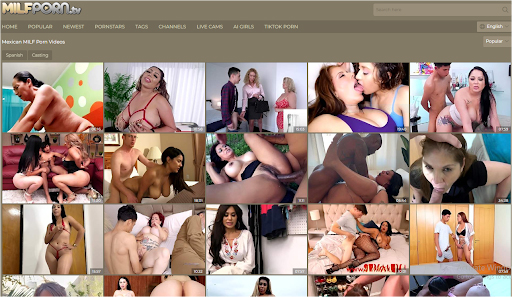
This transformation has led to the rise of niche streaming platforms that focus on structured browsing, improved usability, and faster interaction cycles. These platforms prioritize user experience over sheer content volume, creating systems that feel intuitive, responsive, and behavior-driven. This trend is also reflected in specific search interests like Mexican MILF porn where users expect culturally relevant results, quick access, and a seamless viewing experience.
The Shift from Mass Libraries to Structured Streaming Systems
In earlier stages of digital streaming, platforms focused heavily on building large content libraries. The idea was simple: more content meant more users. However, this approach often resulted in cluttered interfaces and poor navigation experiences.
Modern platforms have shifted toward structured systems that prioritize clarity over quantity.
This includes:
- Organized category-based browsing
- Simplified navigation structures
- Reduced visual complexity
- Faster content filtering options
- Predictive content grouping
Instead of overwhelming users with endless options, platforms now guide them through curated pathways that make discovery faster and more efficient.
Why User Attention Has Become the Core Design Focus
Attention is now the most valuable asset in digital platforms. Users no longer browse patiently—they scan, decide, and move on quickly.
This behavior has forced platforms to optimize for:
- Instant visual engagement
- Minimal interaction steps
- Rapid content accessibility
- Continuous scrolling experiences
Every interface element is designed to capture attention within seconds. If a platform fails to do this, users quickly shift to alternatives.
Interface Design as a Behavioral Influence System
Modern interface design is not just about appearance—it is about influencing behavior. Every layout decision affects how users interact with content.
Key design strategies include:
- Strategic placement of visual elements
- Hierarchical structuring of content
- Controlled spacing for better focus
- Subtle motion effects for guidance
These techniques help guide users through content without requiring conscious decision-making effort. The result is a smoother and more engaging experience.
The Importance of Speed in User Retention
Speed has become one of the most critical performance factors in streaming platforms. Even small delays can significantly impact user engagement and retention.
To ensure optimal performance, platforms rely on:
- Optimized content delivery networks
- Preloaded interface elements
- Lightweight page structures
- Efficient caching mechanisms
A fast platform creates a perception of reliability and professionalism, encouraging users to stay longer and interact more frequently.
Mobile-First Design as the Industry Standard
With mobile devices dominating internet usage, streaming platforms have fully embraced mobile-first design principles. This approach ensures that content is accessible anytime, anywhere.
Mobile optimization includes:
- Responsive layouts for all screen sizes
- Touch-optimized navigation systems
- Fast loading on mobile networks
- Vertical scrolling-based interfaces
Mobile-first design is no longer optional—it is the default standard for modern streaming platforms.
Algorithmic Discovery and Content Personalization
One of the most important innovations in streaming platforms is algorithm-driven content discovery. Instead of users manually searching for content, platforms now predict what they might want to see next.
These systems use:
- Behavioral tracking models
- Interaction history analysis
- Real-time engagement data
- Predictive recommendation engines
This creates a personalized browsing experience where content feels tailored to individual preferences.
Visual Hierarchy and User Engagement
Visual hierarchy plays a crucial role in guiding user attention. A well-designed interface ensures that important content stands out while maintaining balance and clarity.
Effective visual hierarchy includes:
- Clear focal points
- Balanced contrast levels
- Structured alignment systems
- Consistent spacing patterns
Good visual structure reduces confusion and increases engagement by making navigation more intuitive.
Why Simplicity Drives Better Engagement
Despite technological advancements, simplicity remains one of the most effective design principles. Users prefer platforms that feel easy to use, even if the underlying system is highly complex.
Simplicity is achieved through:
- Minimal interface elements
- Reduced navigation depth
- Clear content grouping
- Predictable interaction flows
When platforms reduce complexity, users naturally engage more and stay longer.
The Future of Streaming Platform Evolution
The future of streaming platforms is moving toward predictive and adaptive systems. Instead of reacting to user input, platforms will increasingly anticipate user intent.
Future developments include:
These advancements aim to remove friction entirely from the user experience.
Conclusion: Experience Is the New Competitive Advantage
Streaming platforms are no longer defined by content volume alone. They are defined by how effectively they manage attention, simplify interaction, and personalize experiences.
As digital behavior continues to evolve, platforms that prioritize speed, simplicity, and intelligent design will lead the industry. The future belongs to systems that feel effortless, intuitive, and seamlessly aligned with user intent. These continuous improvements ensure platforms remain efficient, adaptive, and highly competitive.



What the fuck. This site’s been taken over by AI slop. What are you doing?
Thanks for the comment.