We’ve always been drawn to a good story, especially when it feels more interesting than the view from an office window. Lately, though, something has changed. With AI image tools, quick visual edits, and polished filters everywhere, slipping into a digital fantasy no longer feels unusual. It feels built into everyday online life.
For years, edited or artificial visuals stayed in clearly marked spaces. You expected them in blockbuster films, video games, glossy fashion campaigns, or advanced design software. The gap between reality and visual fiction felt obvious. Now that same gap is much harder to spot, because the tools behind it have become faster, cheaper, and easier for almost anyone to use.
People casually experiment with AI portraits, appearance edits, lighting changes, and digital styling just because it’s possible. Platforms like Clothoff sit inside that wider shift, where visual transformation is becoming part of how people play with identity, mood, and presentation online. It is less about documenting life exactly as it happened and more about shaping an image around how someone wants a moment to feel.
That change also makes sense in a wider creative ecosystem. Mainstream tools such as Adobe Express, Canva, and AI platforms like OpenAI have helped normalize the idea that images are no longer fixed. They are editable, remixable, and constantly open to reinterpretation. Once people get used to changing backgrounds, cleaning portraits, or restyling images in a few clicks, more imaginative forms of visual editing stop feeling strange.
Digital fantasy feels normal now because the internet has quietly trained people to expect flexible reality. We scroll past enhanced faces, altered scenes, virtual outfits, and AI-generated aesthetics every day. After a while, the edited version does not even register as unusual. It just becomes part of how modern visual culture works.
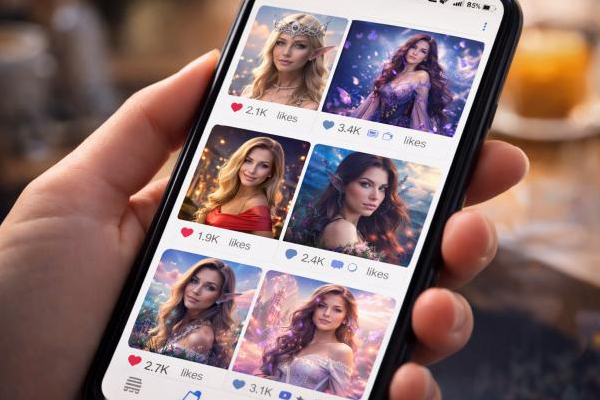
People Like Escaping the Ordinary
Think about your average Tuesday. It’s usually a mix of errands, bills, traffic, and maybe some awkward small talk at the grocery store. It’s repetitive. So, when we jump online, we aren’t necessarily looking for a mirror of that. We want a break.
That’s exactly why this digital fantasy stuff is so addictive. For a few minutes, you can swap your vibe, try on a different mood, or place yourself in a scene that’s way more interesting than your actual living room.
It’s a basic human instinct. We’ve always loved movies, fashion, and daydreaming for this exact reason. Fantasy is just fun. It gives your brain something brighter to chew on.
A New Kind of Play
What’s actually different today is the barrier to entry. It’s gone. You don’t need a degree in Photoshop or a team of designers to create something wild. You can test out an idea in seconds. That turns fantasy from a high-effort, niche hobby into something you do casually while waiting for your coffee.
A Better Mood
Sometimes it’s not that deep. You’re just bored. Or you’re curious. Maybe you’re just in the mood for something ridiculous. Digital fantasy works because it’s a quick hit of novelty that cuts right through the grayness of a slow afternoon.
Looking Better, Stranger, or More Interesting Feels Good
Presentation has always mattered online. We all want to stand out or craft an image that makes people stop scrolling. That part isn’t new. What’s changed is the toolkit.
You can make yourself look sharper, softer, more mysterious, or totally surreal. Sometimes it’s about impressing a crush or a follower. Other times, it’s just about hitting a specific aesthetic you’re vibing with. And honestly? Sometimes it’s just cool to see what’s possible.
That’s why digital fantasy is sticking around. It’s not usually some grand conspiracy to trick people. Mostly, it’s just folks enjoying the freedom to play around with who they are.
The Internet Rewards Interesting Visuals
Let’s be real: plain and ordinary doesn’t get the clicks. If it’s boring, people keep scrolling. But if it’s strange, polished, or a little over-the-top? That’s what grabs the eye. Naturally, we all start drifting toward visuals that feel a bit more “extra” than our actual lives.
The More People See It, the More Normal It Feels
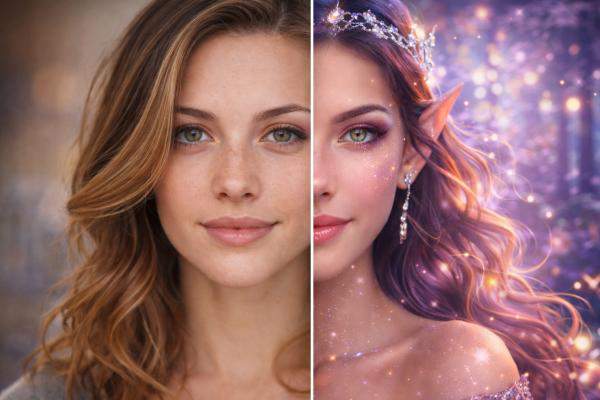
Once something is everywhere, it stops being weird. That’s the stage we’re in right now. We scroll past AI selfies, fantasy portraits, and surreal filters so often that we don’t even blink. At first, these images felt like a gimmick or a weird tech demo. Now? They’re just part of the feed.
This shifts how we react. Instead of thinking, “Why would someone do that?” we start thinking, “Hey, why not?” The more we see it, the more it just feels like normal internet behavior.
It Spreads Fast Because It Is Easy to Copy
Trends move at light speed when they’re easy to replicate. If one specific style of edited image starts blowing up, everyone wants a piece of it.
That is just how internet culture works. Something starts out as a total outlier, becomes a meme, goes viral, and then—boom—it’s just another Tuesday. Digital fantasy is following that exact script.
It’s Not Just About Images—It’s About the Vibe
A lot of people think this is strictly a tech thing, but it’s actually about emotion. Digital fantasy gives us a mood. It builds an atmosphere. It can make things feel glamorous, or maybe a bit dramatic. It can be playful, dreamy, or even a little edgy. They’re part of this bigger movement of people just wanting to experiment and see “what if?”
And we’re here for it.
Real life is a loop. Fantasy? It’s got a spark. Even when we know it’s totally artificial, it still hits differently. It often feels more satisfying than looking at another plain photo of a commute or a desk. That’s why we keep clicking. Weirdly enough, these fantasies can feel more “real” about our actual desires than reality does. It shows what we’re feeling and what we’re curious about, even if it isn’t “true” in a literal sense.
Digital fantasy is the new normal because we’re tired of just documenting life. We want to play with it. We want the escape, the beauty, and the mood. We want the freedom to make something—anything—that’s more interesting than the mundane.
The internet has always been a giant machine fueled by attention and self-expression. AI visuals and edited looks are just the latest upgrade to that system. Now that it’s all so fast and accessible, it doesn’t feel like some sci-fi future anymore. It doesn’t feel weird.
It just feels like being online.